Pumpkin pies, carrot cakes…
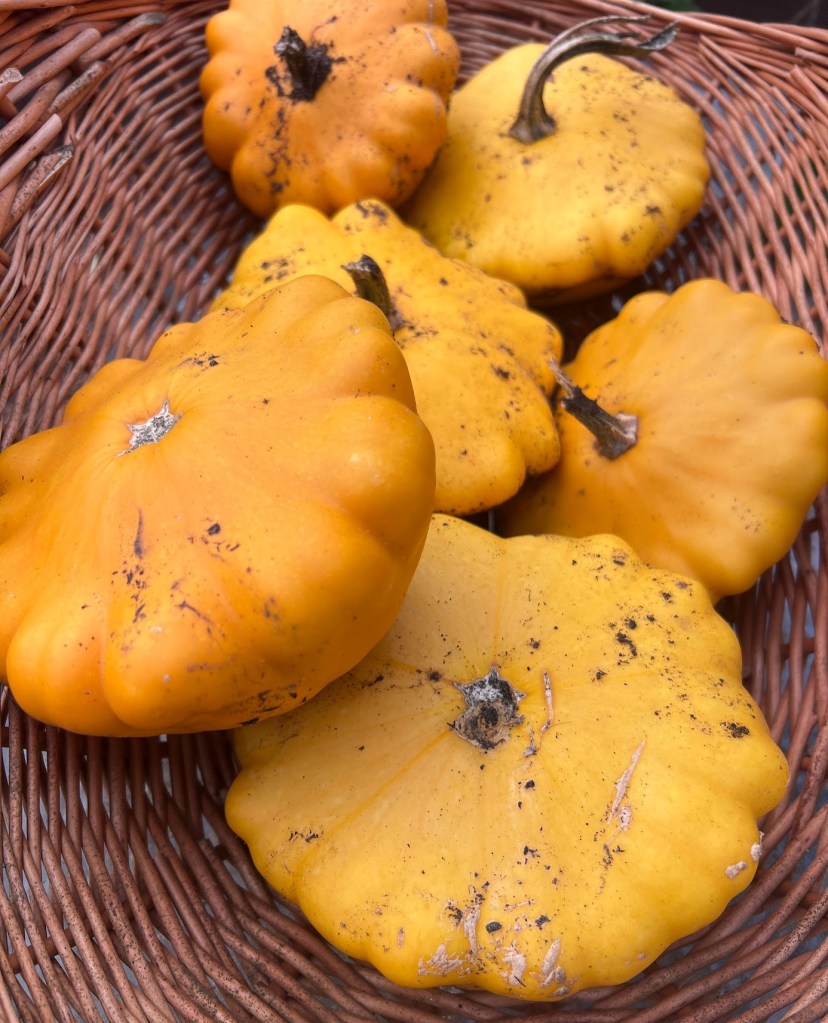
Pumpkin was once an unfamiliar vegetable to me. In Poland, it was often regarded as food for the poor. During the height of the economic crisis in the 1980s, when most essentials were obtainable only with government-issued coupons, jars of pickled squash (namely pattypan) filled store shelves alongside vinegar bottles. While cheese, cold cuts, meat, and even pasta were scarce, these jars sat untouched. I remember the time my ex-mother-in-law made pumpkin pancakes— delicious, yet still not enough to convince me to welcome pumpkins into my kitchen.
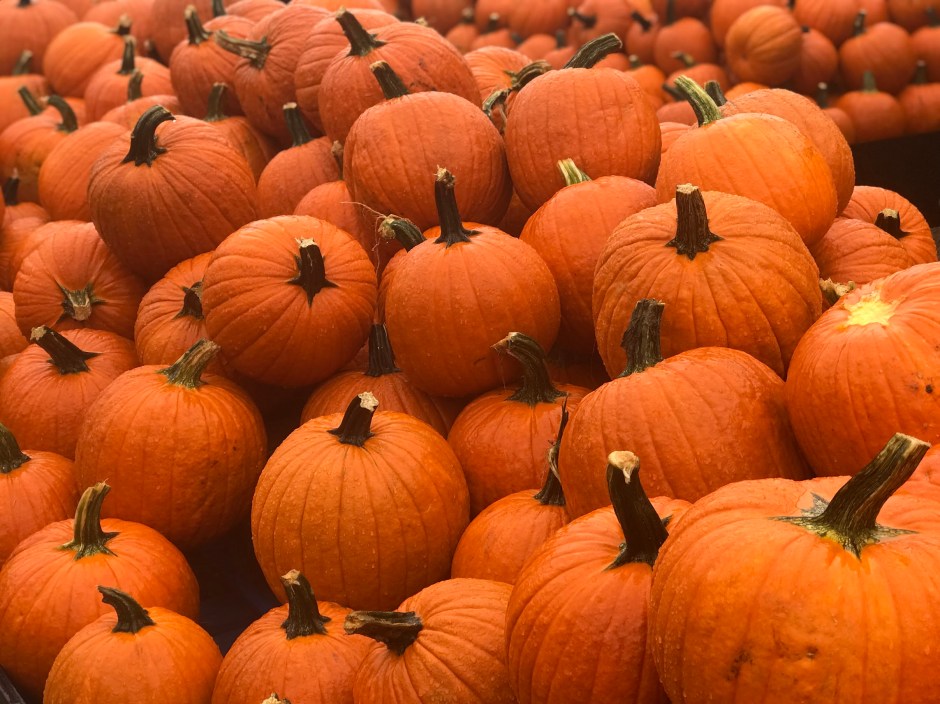
It wasn’t until I came to America that I encountered pumpkin-based dishes more frequently. After a few Thanksgivings, I began to grasp its cultural significance —not just as a culinary staple but as a symbol deeply rooted in American history. Research reveals that pumpkins were cultivated in the New World over 8,000 years ago, making them among the oldest domesticated plants. They were certainly part of the Puritans’ diet, particularly in the fall when newcomers from England relied on them as a dietary staple. While the Puritans may have been familiar with some types of squash introduced to Europe after Columbus’s voyages, pumpkins became an integral part of life in the New World.
The word “pumpkin” likely originates from Native American languages or the Greek peponi (πέπων), meaning “large melon.” Today, pumpkins are inseparable from American culture: they symbolize Halloween, adorn Thanksgiving tables, and are even used as a term of endearment for children. However, their cultural reach extends beyond North America. After all, Cinderella’s magical carriage was fashioned from a pumpkin, courtesy of her fairy godmother. In Poland, pumpkins made their mark centuries ago; in the 16th century, the botanist and herbalist Marcin of Urzędów noted their beneficial effects on digestion. Globalization has since brought Halloween and its glowing jack-o’-lanterns to Poland. When children came trick-or-treating this year, one accompanying adult lamented to my daughter, “You always had a pumpkin with lights—why not this year?”
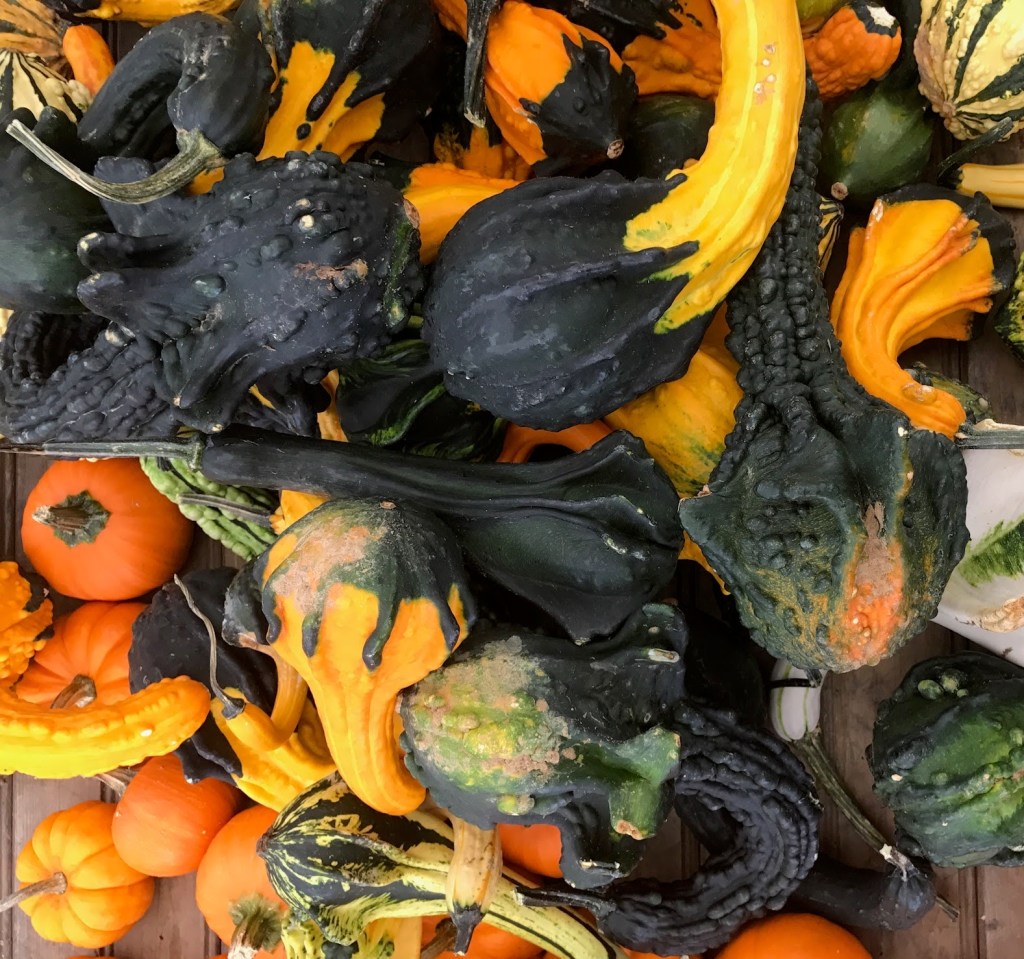
Thanksgiving has come and gone, and the focus now shifts to Christmas preparations. My pantry and refrigerator are slowly filling: I’ve stocked up on herring for Christmas Eve, and Polish stores now carry ground poppy seeds, sparing me the laborious task of running them through a grinder three times. Dried fruit for compote is ready, and I’ll check my wheat supply for kutia. Yet amidst these preparations, a bowl of vibrant, unused squashes remains from Thanksgiving—beautiful and varied in shape and color.
Today, I turned some into soup. I roasted butternut squash, two pears, a generous piece of parsley root, and a few shallots, then blended them into a velvety puree. Freshly made broth, a sprinkle of pepper, and a touch of crumbled feta completed the dish. The result? A simple yet elegant creation, perfectly balancing the sweetness of pumpkin with a touch of saltiness.. My experiments with pumpkin have been ongoing for years, with each one deepening my appreciation for this humble vegetable.
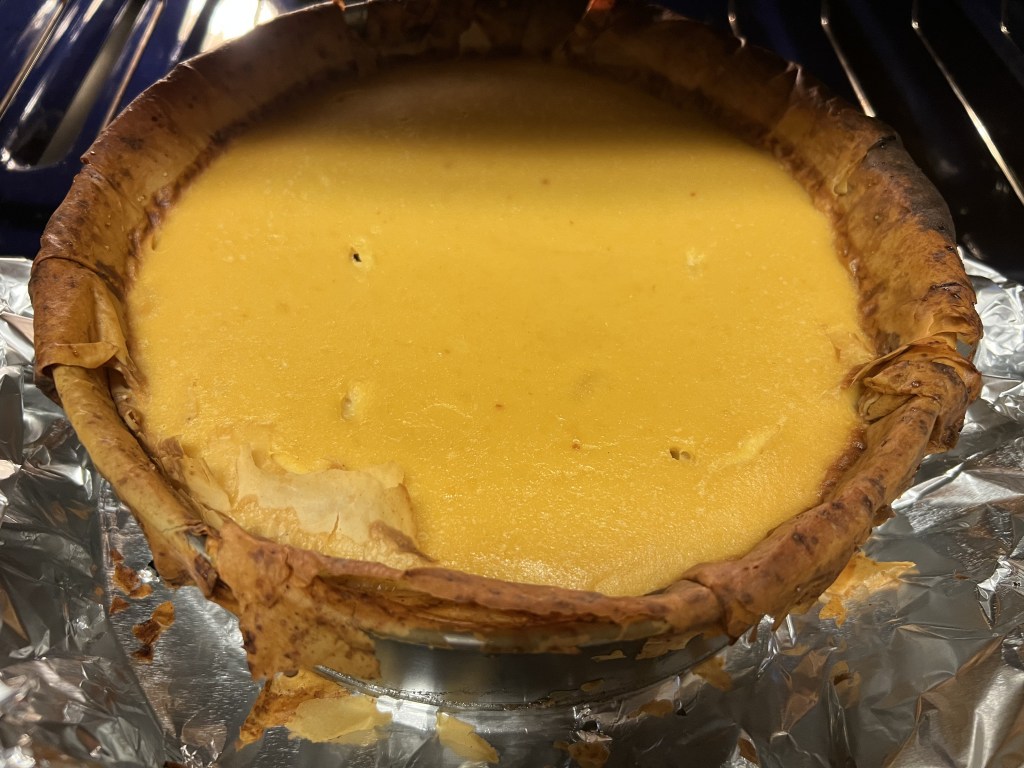
Two years ago, I decided to try Martha Stewart’s recipe for pumpkin pie. Determined to perfect it, I practiced weeks ahead of the holiday. The recipe called for Greek phyllo, which intrigued me. While I’m a confident cook, I typically avoid baking, but I took the plunge. The recipe, readily available online, is simple yet includes delightful elements like maple syrup and a Chinese five-spice blend. My first attempt was far from perfect; I learned the hard way that phyllo should not hang too far over the edges of the pan, as it becomes prone to breaking.
This year, I decided to make a pumpkin cheesecake. Of course, from scratch—no canned or frozen ingredients and using “bucket” cheese bought from a Polish store. And once again I remembered this story my grandmother used to tell me and which I consider one of the most beautiful memories of my family. It always comes to mind whenever I try to bake something and when I try, like every Polish woman, to fulfill all the roles assigned to me: in addition to being an educated professional, an elegant woman who evokes desire, I also want to be an excellent homemaker and a perfect wife who can do everything.
Grandma would recount my mother’s First Communion during the second year of World War II, when Krzemieniec was under Soviet occupation. Supplies were scarce, and food was rationed. My mother’s dress was crafted from starched cheesecloth, and adorned with delicate hemstitching.
– The ladies – my grandmother said – couldn’t believe how beautiful it was. – And – she added – The celebration that followed was modest, with a simple carrot cake served for dessert. As a child, I found this baffling:
— Carrot cake? What did it taste like? What else could they have used in it? – To me, carrots were simply the vegetables we grew in the garden. Ultimately, I was a girl from a good family, dressed in organza dresses with large bows in my hair. I only saw carrots in chicken soup (ugh) or as an ingredient in a coleslaw with apples. The number one homemade cake was a Viennese cheesecake covered in chocolate or a poppy seed cake with a delicate whipped cream frosting. Carrot cake? Impossible. But the seed was planted. What could such a cake taste like? Why isn’t it part of our family menu? Is it difficult to make?
Throughout my childhood, I often begged my grandmother to bake this bizarre carrot cake. She always promised she would, but the promise was never fulfilled. Years later, I discovered a handwritten recipe for the cake in an old recipe book. Yet, I couldn’t bring myself to try it. For my grandmother, carrot cake was a haunting reminder of war, fear, and hunger—a symbol of poverty and oppression she wished to leave in the past. To her, baking such a cake would have meant reliving those dark times. And so, the taste of carrot cake remained a mystery to me, a piece of history left untold.
As an adult, I emigrated to Canada during one of the coldest Januarys of the century. After navigating the long and tedious formalities of settling into a new country, we finally took a break and went for coffee. In the glass display case, an array of cakes and pies beckoned invitingly. At the front, a plate held slices of a brown cake topped with creamy white frosting. It looked irresistible.
– What is this? – I asked my cousin.
– It’s a carrot cake – she replied.
And just like that, the dessert I had yearned for as a child became a reality.
Pumpkin, carrots, beetroot brownies—these are desserts of the New World, transformed. Once humble staples of the poor on the Old Continent, they’ve gained elegance and prestige here. And in case you did not know that – even parsley root, paired with coconut, can yield a fabulous cake—an alchemy of flavors that turns modest ingredients into something extraordinary.
 Czwarte Miejsce